How Fotona Laser Treatments Can Target Early Signs of Aging
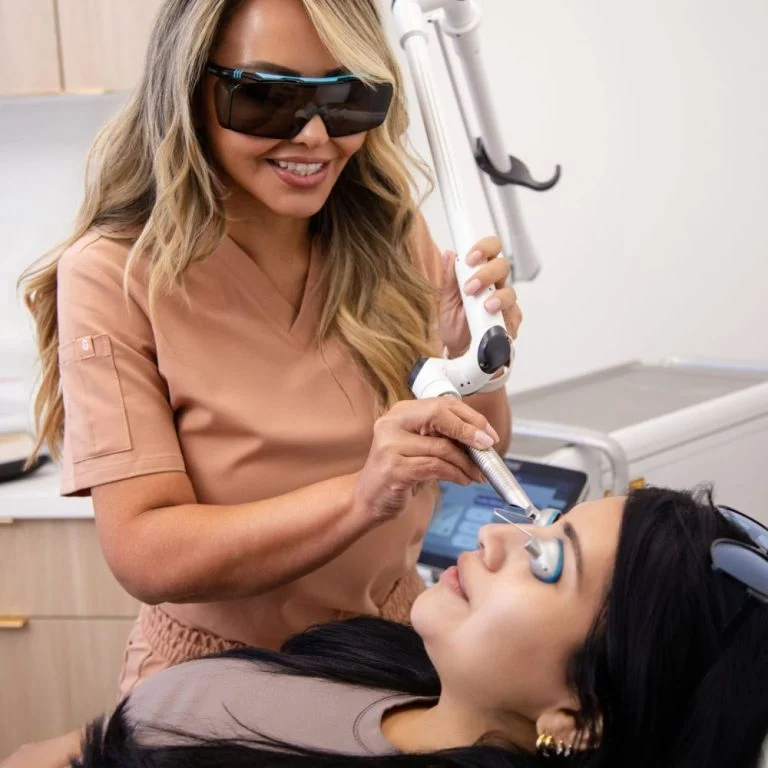
The first signs of aging rarely arrive all at once. More often, they show up in small ways that are easy to dismiss at first. Makeup settles a bit differently around the eyes. Pores look more obvious by late afternoon. The skin that used to bounce back after a long week starts to appear dull, slightly creased, or less firm around the mouth and jawline. These early changes are subtle, but they tend to bother people precisely because the rest of the face still looks youthful.
That is where Fotona Laser Treatments often enter the conversation. They are not a single one-size-fits-all procedure, and that is part of their appeal. The Fotona platform combines different wavelengths and treatment modes, allowing practitioners to work on texture, fine lines, skin tone, laxity, and even collagen remodeling at different depths. For someone who is not ready for surgery, injectables, or aggressive resurfacing, that flexibility matters.
What makes these treatments particularly relevant for early aging is that they can address skin behavior, not just surface appearance. Early aging is not only about a line here or a fold there. It is also about slower cell turnover, reduced collagen production, mild loss of elasticity, and a gradual thinning of the skin’s support structure. A well-planned laser treatment can stimulate repair processes before those concerns become more established and harder to reverse.
Why early intervention changes the result
When patients wait until wrinkles are deep, skin is heavily creased, and laxity is pronounced, treatment options often become more intensive. At that stage, improvement is still possible, but it may require more downtime, multiple modalities, and more realistic expectations. Early intervention gives the skin a better starting point.
In practice, the best outcomes usually happen when treatment begins during the “almost there” phase. That is the point where someone says, “I still look like myself, but I can tell my skin is changing.” Fine lines around the eyes, mild uneven tone from sun exposure, early crepiness under the eyes, softening jawline definition, or that general loss of brightness all fall into this category.
From a clinical standpoint, this is a favorable time to use energy-based treatments. The skin still has a reasonable collagen reserve, healing response tends to be stronger, and changes can look more natural because the goal is support and refinement, not correction of advanced damage. Patients often appreciate that they can maintain their appearance rather than chasing more obvious decline later.
What Fotona actually is, and why its design matters
Fotona is a laser platform known for combining Er:YAG and Nd:YAG wavelengths in various treatment protocols. Those technical details matter because each wavelength behaves differently in the skin.
The Er:YAG wavelength is often chosen for precise resurfacing. It can improve texture, soften superficial lines, and refresh the skin’s outer layers with controlled ablation or very light polishing depending on settings. The Nd:YAG wavelength penetrates more deeply and is often used for thermal stimulation, collagen remodeling, and tightening effects without necessarily removing the top layer of skin.
That combination gives skilled practitioners room to tailor treatment. One patient may need gentle resurfacing around the eyes and mouth, while another needs deeper heating to improve firmness along the lower face. Someone with early sun damage might benefit from a protocol focused on texture and tone, while someone noticing the first signs of laxity may need a different sequence altogether.
This is one reason Fotona Laser Treatments have become popular in aesthetic medicine. The platform is adaptable. It can be conservative or more intensive, depending on skin type, age, concerns, and downtime tolerance.
The early signs of aging Fotona can address well
Fine lines are usually the first concern patients mention, especially around the eyes and lips. These lines are often dynamic at first, meaning they show more with expression, but they gradually begin to linger at rest. Laser energy can help by encouraging collagen remodeling and smoothing the skin surface, particularly when lines are still shallow.
Texture changes are another common early complaint. Skin can start to feel rougher, look less reflective, or develop an uneven appearance that is difficult to fix with skincare alone. Mild resurfacing can improve this considerably. In my experience, this is often the change patients notice fastest, even before they register improvements in fine lines.
Mild laxity can also be treated effectively in the earlier stages. This is not the same as severe sagging. It is the beginning of softness under the chin, a slight blurring of the jawline, or the sense that the midface no longer looks as firm as it did a few years ago. Deeper thermal stimulation can encourage tightening over time, although expectations need to be realistic. Laser treatment can improve mild to moderate laxity, but it does not replace a surgical lift when structural sagging is significant.
Uneven pigmentation and photodamage often accompany early aging. Years of incidental sun exposure leave behind patchiness, scattered discoloration, and a weathered quality that makes skin appear older than it is. Depending on the exact settings used and the patient’s skin type, Fotona treatments may help improve this by renewing the surface and stimulating healthier skin turnover.
The under-eye area deserves special mention. It is one of the first regions to show aging because the skin there is thin and constantly moving. Some Fotona protocols are used in a way that gently targets crepiness and skin laxity around the eyes. Results tend to be subtle and progressive, which is often exactly what patients want in such a delicate area.
How the treatment process usually feels from the patient side
The consultation matters as much as the treatment itself. A good practitioner does not simply ask what bothers you and move straight to the laser. They assess skin thickness, hydration, pigment pattern, redness, scarring history, medical background, tendency toward post-inflammatory pigmentation, and how much recovery time you can realistically tolerate.
On treatment day, sensation varies by protocol. Light resurfacing can feel warm and prickly, while deeper thermal settings often create a snapping or heat-based discomfort. Some patients do fine with topical numbing alone. Others need additional comfort measures, especially for more intensive sessions or sensitive areas like around the mouth.
Immediately after treatment, the skin may look flushed, feel warm, and appear mildly swollen. If resurfacing was part of the session, there can be roughness or a bronzed, sandpaper-like feel as the skin begins to renew. Social downtime ranges widely. Some people look presentable within a day or two after lighter protocols. More aggressive settings may involve several days of visible recovery.
That variability is important. “Laser treatment” sounds like a single category, but the lived experience can differ dramatically depending on the depth, intensity, and goal of the session.
What improvement tends to look like, and when it shows up
Patients often expect laser results to appear overnight. That is rarely how skin remodeling works. Some changes do come quickly. Surface smoothness, better light reflection, and a fresher look may be noticeable within days to a couple of weeks once the initial recovery settles. But deeper improvements, especially firmness and line softening, usually take longer.
Collagen remodeling unfolds gradually over several weeks and often continues for a few months. In practical terms, that means the mirror may show incremental change rather than a dramatic flip from before to after. For many patients, this is actually a benefit. Friends may say you look rested or healthy without identifying a specific treatment.
The number of sessions also matters. A single session can help, especially if the concern is mild or the treatment is moderately intensive. But many protocols for early aging are designed as a series. Three sessions spaced several weeks apart is common in aesthetic practices, although plans vary. Maintenance treatments are usually needed because aging and sun exposure do not stop after one good result.
The trade-offs that deserve an honest discussion
Laser treatments are often marketed as if they offer only upside. That is not a responsible way to frame them. Every intervention comes with trade-offs.
The first is downtime versus result. Gentle treatments usually have less recovery but deliver more modest change. More aggressive resurfacing may produce stronger visible improvement, but it also increases redness, peeling, social downtime, and post-treatment care needs. Patients need to decide which side of that balance fits their life.
The second is cost versus maintenance. Fotona Laser Treatments can be worthwhile, but they are not typically inexpensive, and results are maintained, not permanent. Skin continues to age. Sun exposure, smoking, stress, hormonal shifts, and inconsistent skincare can all shorten the longevity of results.
The third is precision versus operator skill. These devices are highly adjustable, which is an advantage in experienced hands and a liability in inexperienced ones. The settings, treatment pattern, and choice of protocol make an enormous difference in both safety and outcome. A powerful platform is only as good as the clinician using it.
The fourth is expectation management. Laser can improve fine lines, brighten skin, and support collagen, but it cannot replace volume lost from the cheeks, erase deep expression lines in one pass, or lift advanced sagging tissue the way surgery can. The happiest patients usually understand exactly what is being treated and what is not.
Who tends to be a good fit
Not every person with early aging signs is automatically a candidate, but certain patterns tend to respond well.
- Adults noticing fine lines, mild laxity, rough texture, or early sun damage
- People who want gradual, natural-looking improvement rather than abrupt change
- Patients willing to follow pre-treatment and aftercare instructions carefully
- Those with realistic expectations about maintenance and timing
- Individuals treated by an experienced clinician who understands their skin type
Skin type and pigment history deserve special attention. Darker skin tones can absolutely be treated with laser, but treatment planning must be cautious and informed. Some settings carry a higher risk of post-inflammatory hyperpigmentation, especially if recent sun exposure, melasma tendencies, or irritation are already in the picture. This is where individualized care matters far more than brand recognition.
The importance of the practitioner, not just the platform
Patients often shop by device name, and that is understandable. A known platform provides some confidence. But in day-to-day practice, results depend heavily on assessment and execution.
A thoughtful provider looks at more than wrinkles. They ask what kind of aging pattern is developing. Is the issue mostly texture? Is there vascular redness mixed in? Are the lines dynamic, static, or partly due to dehydration? Is the lower face losing support because of skin laxity, or is the real issue volume descent from deeper structures? These distinctions shape the treatment plan.
I have seen cases where patients sought laser for “wrinkles,” when their most noticeable issue was actually chronic facial tension from overactive expression muscles. In that situation, neuromodulators might have offered a better first step. In other cases, a patient wanted filler for tired-looking skin, when the bigger problem was poor texture and crepiness that filler would not fix. Good aesthetic medicine is often about choosing the right tool in the right order.
Fotona works best when it is part of that broader judgment, not when it is treated as a universal answer.
What aftercare can influence more than people realize
Laser outcomes do not depend only on the session itself. The days after treatment are where patients often either protect their investment or undermine it.
Skin needs moisture, sun protection, and restraint. That last point is underrated. People love to restart active skincare too early, exfoliate peeling skin, or test products during recovery. That can prolong redness and increase irritation. A simple, bland recovery routine is usually best at first.
Sun avoidance is non-negotiable. Freshly treated skin is more vulnerable to pigment changes, and repeated UV exposure is one of the fastest ways to dull the gains made by treatment. Even excellent laser work struggles against poor sun habits.
Longer-term maintenance usually means sunscreen, a sensible home regimen, and occasional follow-up treatments. Patients who combine laser with consistent skincare often hold their results much better than those who treat it as a one-time reset.
How Fotona compares to other early-aging strategies
For early aging, there is rarely only one valid route. Skincare, chemical peels, microneedling, radiofrequency, ultrasound-based tightening, injectables, and laser all have roles. The right choice depends on the dominant concern.
If someone has mostly dryness, mild dullness, and barely visible lines, a stronger skincare routine may be enough for a while. If the main issue is early expression lines on the forehead or around the eyes, neuromodulators may outperform laser on that specific problem. If volume loss is making the face look tired, filler may do more than resurfacing alone.
Where Fotona often stands out is in patients who have a blend of concerns. They may have some texture change, some fine lines, some mild laxity, and a general sense that the skin has lost vitality. In those mixed cases, laser can offer a more comprehensive type of https://medium.com/@omniawellnesscenter/about improvement than a single syringe or peel.
That said, combination treatment is common for a reason. A patient might undergo laser for texture and collagen support, use neuromodulators to reduce repetitive folding of the skin, and maintain results with skincare. The best outcomes often come from complementary planning rather than loyalty to one modality.
Questions worth asking before you book
A short consultation can tell you a great deal if you ask the right things.
- Which specific Fotona protocol are you recommending for my concern, and why
- How many sessions do patients like me usually need
- What will the first week of recovery realistically look like
- What risks do you watch for with my skin type and history
- What result is unlikely to change, even with treatment
These questions tend to move the conversation away from sales language and toward clinical judgment. If the answers are vague, generic, or overly optimistic, that is useful information.
When the treatment is especially worthwhile
The strongest candidates are often not the people with the most dramatic aging, but those at the beginning of visible change who want to age deliberately rather than reactively. Someone in their thirties or forties with fine lines around the eyes, early lower-face softness, and sun-related texture changes may get excellent value from a thoughtful laser plan. The improvements can be visible enough to matter yet subtle enough to preserve character.
There is also a psychological benefit to early intervention that many clinicians notice. Patients often feel more in control when they address changes while they are still mild. Instead of feeling as though they need a major correction later, they maintain their skin in smaller, steadier increments. For some, that creates a healthier relationship with aesthetic treatment overall.
A realistic view of results
Fotona Laser Treatments can be very effective for early signs of aging, but their strength lies in refinement, stimulation, and prevention-minded correction. They are not magic, and they should not be sold that way. The right treatment can soften fine lines, improve texture, restore some firmness, and make the skin look fresher and more resilient. It can also do so in a way that looks believable, which is often the highest priority for patients in the early-aging stage.
The best results come from matching the protocol to the problem, respecting the skin’s limits, and committing to maintenance. When that happens, laser treatment stops being a trendy add-on and becomes something more useful, a strategic tool for keeping early aging from becoming advanced aging quite so quickly.
OMNIA Wellness Center
Address: 16430 Ventura Blvd Ste 207, Encino, CA 91436
Phone number: +18183868511
FAQ About Fotona Laser Treatments
What is a Fotona laser good for?
A Fotona Laser system is a versatile, dual-wavelength medical laser used primarily for non-surgical skin tightening, anti-aging rejuvenation, and dermatological treatments.
How much does the Fotona laser cost?
The cost of a Fotona laser depends heavily on whether you are looking to purchase a laser machine for a medical practice or are a patient seeking a laser treatment at a medspa.
Is a Fotona laser worth it?
A Fotona laser treatment is generally worth it if you want non-surgical skin tightening, improved texture, and collagen stimulation with very little downtime.