Fotona Laser Treatments for Delicate Areas: What You Should Know
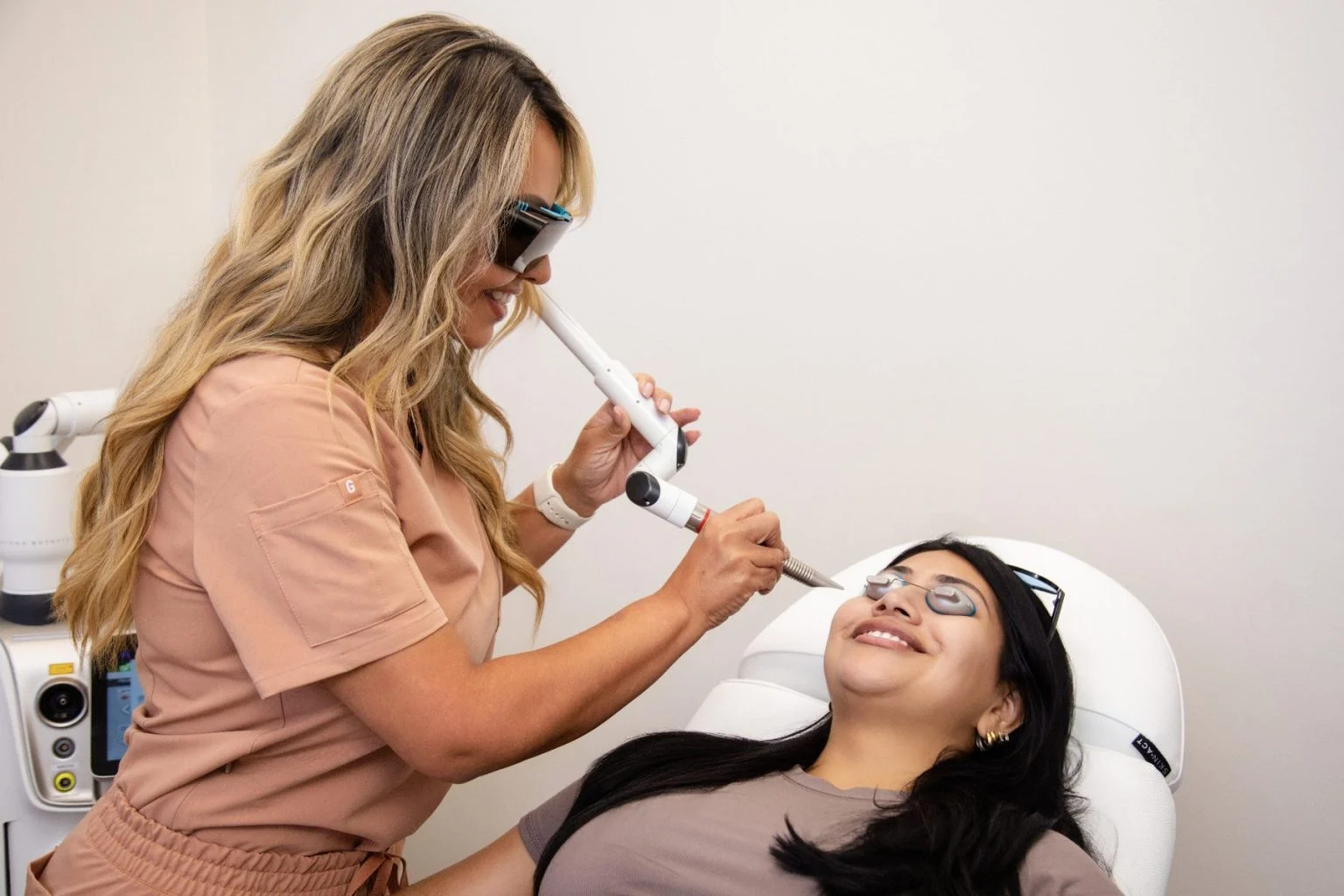
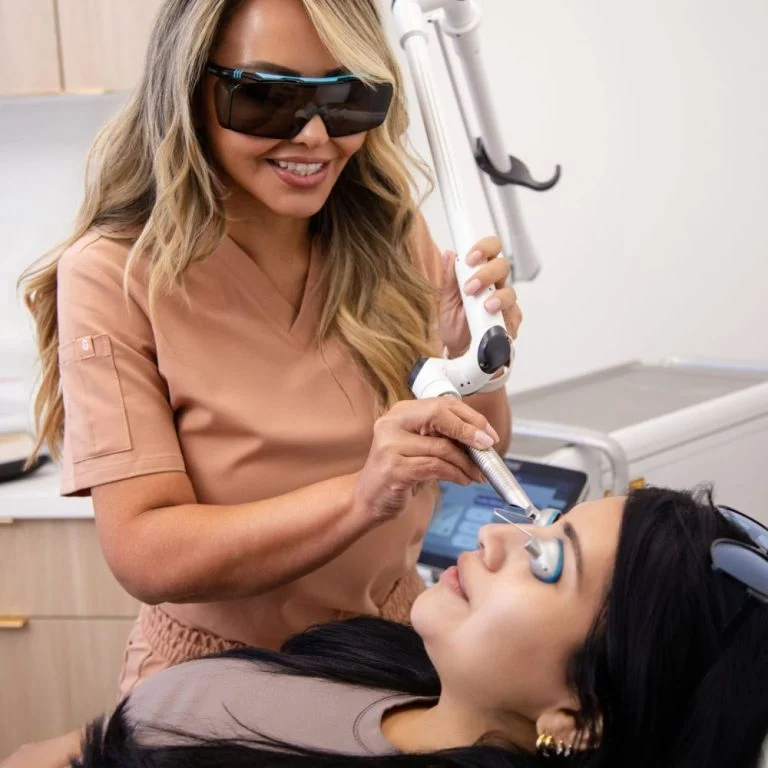
Delicate areas ask more of a laser treatment than broader, more forgiving zones like the cheeks or forehead. The skin may be thinner. Blood supply may be richer. The margin for error is smaller, and the stakes feel more personal because the treated area is often highly visible, highly sensitive, or both. That is exactly why patients tend to have more questions about Fotona Laser Treatments when the conversation turns to the under-eye area, around the mouth, the neck, or intimate tissue.
Fotona is not a single treatment in the way https://waylonjczx615.timeforchangecounselling.com/fotona-laser-treatments-for-everyday-beauty-and-skin-confidence many people assume. It is a laser platform with different wavelengths and treatment modes that can be adapted for specific goals. That distinction matters. A person who says, “I had Fotona done,” might mean a gentle tightening treatment with little downtime, or a more intensive resurfacing session with several days of redness and a very different recovery. When you are considering treatment in a delicate area, the details matter more than the brand name.
In practice, the best outcomes usually come from matching three things carefully: the area being treated, the tissue quality, and the patient’s tolerance for downtime. A setting that works beautifully on the cheeks may be too aggressive under the eyes. A mode that improves texture around the mouth may not be the right choice for someone whose main concern is laxity rather than fine lines. This is where experience shows. Good laser work is rarely about pushing intensity. More often, it is about judgment.
What counts as a delicate area
In laser practice, “delicate” does not only mean intimate. It often refers to areas where skin is thinner, healing can be less predictable, or structures underneath are more vulnerable. The under-eye region is the classic example. The skin there is among the thinnest on the body, and patients are quick to notice even minor swelling or prolonged redness. The vermilion border of the lips and the skin around the mouth are also delicate because they move constantly and can react strongly to heat. The neck and upper chest deserve respect for a different reason, their skin can be more reactive and slower to heal than the face.
Intimate areas fall into their own category because sensitivity, privacy, and tissue differences all shape the treatment plan. Some Fotona protocols are used externally for tightening or textural concerns, while gynecologic applications may be offered internally by specifically trained clinicians for selected indications. That is not a casual add-on treatment. It requires appropriate training, patient selection, and a thorough discussion of what the treatment can and cannot reasonably do.
One of the most common misunderstandings I see is the belief that a “delicate area treatment” is automatically gentler in every sense. Sometimes it is. Sometimes it is simply more precise. Precision can still create a meaningful response in the tissue, and with that comes swelling, temporary dryness, sensitivity, or a short period where the skin looks worse before it looks better.
Why Fotona is often considered for sensitive zones
Fotona systems are popular in part because they offer versatility. Depending on the handpiece and wavelength used, a clinician can aim for superficial resurfacing, deeper thermal stimulation, controlled tightening, or a combination approach. For delicate areas, that flexibility is useful. It allows the provider to adjust not just the energy, but also the pattern of delivery and the depth of interaction with the tissue.
For example, around the eyes, some practitioners use lower-intensity approaches to stimulate tightening with modest downtime, while others may combine that with more targeted resurfacing if crepey texture is the main complaint. Around the mouth, where fine smoker’s lines and etched lipstick lines tend to resist creams and injectables, laser energy can improve texture in ways topical products usually cannot. On the neck, where skin can be lax but less tolerant of aggressive resurfacing, a staged approach often gives a better result than one heroic session.
Patients often appreciate that Fotona Laser Treatments can be tailored across a range of intensities. That said, the same flexibility places a lot of responsibility on the person holding the device. A versatile system is only as good as the clinician’s ability to choose the right settings.
The consultation should feel specific, not scripted
A proper consultation for a delicate area should feel unusually detailed. If it feels generic, that is a problem.
The provider should examine not only the area you want treated, but also your skin type, tendency to pigment, healing history, and any conditions that raise risk. People with melasma, post-inflammatory hyperpigmentation, eczema, rosacea, cold sore history, recent isotretinoin use, or a pattern of slow healing need a more nuanced plan. So do patients who have had fillers, threads, surgery, or prior energy-based treatments in the same area.
A good consultation also separates concerns that look similar but are treated differently. Under-eye darkness is a perfect example. If the darkness is caused mainly by hollowing or visible vessels, laser may help only a little, if at all. If the issue is crepey skin and fine wrinkling, laser may be very useful. Around the mouth, etched lines may improve with laser, but deep folds caused by volume loss or repetitive muscle movement often need a combined plan. The right answer is not always more laser.
You should leave the consultation with a clear sense of the target. Are you treating laxity, pigment, texture, dryness, scar change, or tissue support? If your provider cannot define that in plain language, expectations tend to drift, and that is where disappointment begins.
Areas that commonly respond well
The under-eye area is one of the most requested delicate zones, usually for crepey skin and fine lines. It can respond well, especially when the issue is texture rather than puffiness or fat herniation. Results are usually subtle after one session and accumulate over a series. Patients expecting surgical-level change are rarely happy. Patients wanting fresher, smoother skin often are.
The perioral area, meaning the skin around the mouth, is another strong candidate. Fine vertical lines can soften, lipstick bleed may lessen, and overall texture can look more polished. I have seen this matter enormously to patients who say they look “drawn” even when the rest of the face appears youthful. The catch is that the mouth moves constantly, which can make the first few recovery days annoying. Eating hot or spicy food may sting. Dryness can be significant.
The neck is a slower but worthwhile area. It often improves in tone and texture, though usually not as dramatically as the face. This is where honest counseling is essential. Neck skin can look better, tighter, and more even, but it may take more sessions and gentler settings than patients expect.
External intimate tissue may be treated in selected cases for texture or mild laxity, depending on the protocol and the clinician’s scope. Internal vaginal treatments are a separate category and should only be discussed with a qualified medical professional who routinely performs them. The marketing around these services can be louder than the evidence, so measured expectations are critical.
What treatment actually feels like
Pain is not a fixed experience. It depends on the area, the treatment mode, the settings, and your own sensitivity. Most patients describe delicate-area laser treatment as hot, prickly, or sharp in brief bursts rather than continuously painful. The under-eye region can feel surprisingly intense because the skin is thin. Around the mouth can be uncomfortable for a different reason, the tissue is mobile and richly innervated.
Topical numbing is often used, though not for every protocol. Cooling, pauses, and shorter passes can make a real difference. In some cases, the mildest treatments feel easy during the session but leave the area warm and puffy for several hours afterward. More ablative or resurfacing approaches can bring a stronger sunburn-like sensation and a few days of rough texture.
Patients tend to tolerate treatment better when they know what will happen over the next 72 hours. Uncertainty is often worse than discomfort. If someone tells you there is “no downtime” for a delicate-area laser session, press for specifics. They may mean you can work the next day with makeup, not that you will look perfectly untouched.
Downtime is where expectations need the most correction
This is the part that gets softened in casual conversations and sales pages. Downtime is not just time off work. It includes redness, swelling, dryness, peeling, temporary roughness, social visibility, exercise restrictions, and the period where the area feels more sensitive than usual.
The under-eye area often swells more than patients expect, especially the morning after treatment. It usually settles, but if you have an event in two days, that timing may not be wise. Around the mouth, the skin can feel tight and flaky, and some patients find speaking or smiling exaggeratedly to be uncomfortable for a short window. The neck may stay pink longer than the face. Intimate treatments vary widely in downtime depending on protocol, but patients should still be briefed on temporary sensitivity and activity restrictions if those apply.
A practical rule from clinic life is this: if the area matters to you enough to treat, plan recovery as carefully as the treatment itself. Schedule around photos, public speaking, travel, and vigorous exercise. That sounds obvious, but people forget.
Who should pause before booking
Not everyone is a good candidate at every moment. Sometimes the issue is permanent, sometimes temporary. Darker skin tones can absolutely be treated in many cases, but not with every setting or every approach, and the risk of pigment change needs thoughtful management. Active infection, inflamed dermatitis, broken skin, or an active cold sore in the treatment zone should usually delay treatment. Pregnancy and breastfeeding are handled differently by different clinics, often with a conservative approach.
Patients prone to post-inflammatory hyperpigmentation deserve special caution, particularly in areas like the upper lip and neck where pigment change can be frustrating and slow to resolve. Recent sun exposure also matters more than patients think. Tanned skin is not just a cosmetic issue, it changes how laser energy is absorbed and can narrow the safety margin.
There is also a psychological candidacy that experienced clinicians pay attention to. If someone wants dramatic surgical correction from a non-surgical device, the treatment can be technically successful and still feel like a failure to the patient. A careful provider will slow that down before the first session.
The balance between results and risk
Most delicate-area laser decisions come down to trade-offs. A more aggressive approach may deliver faster visible change, but it usually increases downtime and the chance of prolonged redness, irritation, or pigment shift. A conservative approach may be safer and easier to recover from, but it often requires several sessions and patience.
Neither approach is inherently better. The right choice depends on your skin, your schedule, and how much visible recovery you are willing to carry. In my experience, patients are happier when they choose the most aggressive treatment they can realistically recover from, not the most aggressive treatment they can tolerate for twenty minutes in the chair.
This comes up often with the under-eye area. Some patients want every fine line chased immediately. Yet that same area is unforgiving if it stays inflamed too long or becomes dry and reactive. A measured plan, often in stages, tends to age better than a one-off maximal session.
Questions worth asking before you commit
Ask direct, practical questions. They reveal more than broad promises do.
- Which Fotona wavelength and mode are you using for my concern, and why this one?
- How many sessions do you expect I may need for this area?
- What will I likely look like on day one, day three, and day seven?
- What are the realistic risks in my skin type, especially pigment change or prolonged redness?
- If my concern is only partly suitable for laser, what combination approach would you consider?
A skilled provider usually answers these easily and with nuance. Vagueness is rarely a good sign.
Preparing the skin without overcomplicating it
Preparation should be simple, but not casual. Your provider may ask you to stop retinoids, exfoliating acids, or irritating actives for several days beforehand, especially if the treatment is focused on superficial resurfacing. Sun avoidance matters. So does disclosing every medication and supplement that might affect healing or bruising.
If you have a history of cold sores and the mouth area is being treated, many clinicians consider antiviral prophylaxis. That is not an exotic precaution, it is standard risk reduction. People who have had strong reactions to adhesives, topical numbing, or previous laser sessions should say so early rather than mentioning it in passing on treatment day.
Do not “prep” by trying a new brightening serum, scrubbing the area, or squeezing in a wax appointment because you want the skin to be perfect beforehand. Quiet skin behaves better than irritated skin.
Aftercare is boring, and it matters
The first week after treatment is rarely where patients want to improvise. Delicate tissue appreciates consistency. Gentle cleansing, barrier-supportive moisturization, sun protection when appropriate, and avoidance of unnecessary friction do more than expensive add-ons.
A few habits make recovery smoother for most patients:
- Keep the routine bland for several days unless your provider instructs otherwise.
- Use sun protection diligently, especially after facial or neck treatments.
- Avoid picking flaking skin or forcing exfoliation.
- Hold off on heat-heavy exercise, hot tubs, and saunas if your clinician recommends it.
- Contact the clinic early if swelling, pain, or redness seems to be worsening rather than improving.
One pattern I have seen repeatedly is that patients who do too much after treatment often blame the laser for a recovery issue that was partly self-inflicted. More skincare is not better when the barrier is trying to recover.
What results tend to look like in real life
Good results in delicate areas often read as “rested” rather than “treated.” The under-eye skin may catch light more evenly. Makeup may sit better around the mouth. Neck texture may look less creased in daylight. These are meaningful changes, but they are often modest up close after a single session.
This is where before-and-after photography can mislead. Lighting, angle, hydration, and expression all matter a great deal in thin or mobile skin. I encourage patients to judge results over time, in normal mirrors, in ordinary light. If you are tracking progress, take your own photos at the same time of day and from the same angle. That tends to tell the truth better than memory does.
For many people, the sweet spot is improvement without obvious telltale change. Delicate areas tend to reward restraint. You can absolutely overtreat them, and when that happens, the skin often announces it.
When a different treatment may be better
Fotona Laser Treatments are useful, but they are not the answer to every delicate-area complaint. Hollow under-eyes may respond better to structural treatment than resurfacing. Deep marionette changes around the mouth may need volume support. Significant eyelid laxity may be surgical territory. Pigment that is hormonal or recurrent may require medical management and maintenance rather than repeated energy treatments.
This is one of the most important signs of a strong practice: the willingness to say no to laser when laser is not the best fit. If a consultation turns every concern into a laser problem, be cautious.
The bottom line patients should keep in mind
Delicate-area laser work is not just smaller-area laser work. It is a separate exercise in precision, restraint, and planning. Fotona systems can be excellent tools in this setting because they offer a range of treatment modes, but the brand alone does not guarantee a good result. The person evaluating your skin, selecting the settings, and guiding your recovery matters at least as much as the device itself.
If you are considering treatment, aim for a consultation that feels individualized and specific. Ask what is being treated, what the recovery will really look like, and what result is realistic for your anatomy. The best experiences usually come from patients who understand the trade-offs before treatment begins, not after the mirror starts asking harder questions.
When chosen well and performed carefully, Fotona Laser Treatments can improve some of the hardest-to-treat areas in a subtle, credible way. That is often the real goal, not transformation, but refinement that still looks like you.
OMNIA Wellness Center
Address: 16430 Ventura Blvd Ste 207, Encino, CA 91436
Phone number: +18183868511
FAQ About Fotona Laser Treatments
What is a Fotona laser good for?
A Fotona Laser system is a versatile, dual-wavelength medical laser used primarily for non-surgical skin tightening, anti-aging rejuvenation, and dermatological treatments.
How much does the Fotona laser cost?
The cost of a Fotona laser depends heavily on whether you are looking to purchase a laser machine for a medical practice or are a patient seeking a laser treatment at a medspa.
Is a Fotona laser worth it?
A Fotona laser treatment is generally worth it if you want non-surgical skin tightening, improved texture, and collagen stimulation with very little downtime.