A Step-by-Step Look at Fotona Laser Treatments
Fotona Laser Treatments have earned a strong reputation because they cover a wide range of concerns without forcing every patient into the same protocol. That matters more than marketing copy usually admits. In practice, the value of a laser system is not just in its brand or its headline claims. It comes down to versatility, operator skill, patient selection, and how well the treatment plan matches the tissue being treated. Fotona stands out because it is often used across facial rejuvenation, acne scar work, pigment correction, vascular concerns, skin tightening, snoring support, and certain gynecologic and dental applications, depending on the clinic and the practitioner’s training.
For patients, that breadth can be both helpful and confusing. People often hear “Fotona laser” and assume it refers to one single treatment. It does not. Fotona is a laser platform family, and different handpieces, wavelengths, pulse durations, and treatment modes can create very different experiences. One patient may come in for a light resurfacing session with almost no downtime. Another may undergo a much more intensive treatment aimed at texture, deeper wrinkles, or acne scarring, with several days of visible recovery. Same brand, completely different day.
That is why a step-by-step explanation is useful. If you know what happens before, during, and after Fotona Laser Treatments, it becomes much easier to ask the right questions and set realistic expectations.
What Fotona actually means in a treatment room
Fotona is best known for laser platforms that commonly use Nd:YAG and Er:YAG wavelengths. Those details sound technical, but they affect the entire treatment experience. Er:YAG is often chosen when precision ablation or resurfacing is the goal, because it interacts strongly with water in the skin. Nd:YAG is often used for deeper heating, vascular work, and collagen stimulation. Some protocols combine both in sequence, which is one reason clinics often talk about “multi-dimensional” rejuvenation with Fotona systems.
A good analogy is this: saying you had “a Fotona treatment” is a bit like saying you had “a medical procedure with ultrasound equipment.” It tells you the platform family, not the exact intervention. One clinician may use it for gentle tightening around the eyes. Another may perform a fractional resurfacing session on acne scars. Another may use an intraoral handpiece to stimulate tightening from inside the mouth in selected facial protocols.
This variability is not a flaw. It is one of the strengths of Fotona Laser Treatments. Still, it places more responsibility on the consultation. A patient should leave that visit understanding exactly which protocol is planned, what it is meant to improve, how many sessions may be needed, and what downtime is realistic.
The concerns these treatments are often used for
In real clinical settings, Fotona systems are often considered for fine lines, laxity, enlarged pores, uneven texture, acne scars, certain pigment irregularities, mild vascular redness, and overall skin quality. Some clinics also use them for hair and scalp indications, nail fungus support, and specialty procedures outside cosmetic dermatology. The exact options depend on the model of laser, the attachments available, and the provider’s scope of practice.
This is where judgment matters. Not every concern responds equally well, and not every patient is a great candidate. For example, shallow acne marks may improve nicely with a resurfacing approach, while deep tethered scars often need combination treatment such as subcision, fillers, or microneedling radiofrequency in addition to laser work. Likewise, diffuse redness may respond differently depending on whether the issue is broken capillaries, rosacea, inflammation, or post-procedure irritation.
A responsible provider will discuss what the laser can likely improve, what it may only soften, and what may not change much at all.
Before the appointment, the consultation does most of the heavy lifting
The best Fotona Laser Treatments begin long before the machine is turned on. The consultation is where the treatment is made safer and more effective. Skin type matters. Recent sun exposure matters. Current skincare matters. A history of cold sores matters if the mouth area will be treated. A tendency toward post-inflammatory hyperpigmentation matters, especially in medium to deeper skin tones. Medications matter too, particularly isotretinoin history, photosensitizing drugs, and anticoagulants.
Experienced practitioners usually spend time looking at more than the single complaint a patient mentions first. Someone may point to “wrinkles,” but the main issue may actually be volume loss, laxity, textural roughness, or chronic dehydration. A laser can improve some of those, but not all to the same degree. One of the most common reasons for disappointment after laser treatment is not poor technique. It is poor matching of expectations to the actual problem.
Photos are usually taken at baseline, and this is more useful than patients expect. Memory is unreliable when changes happen gradually over two or three months. Standardized photos help both sides judge improvement honestly.
At this stage, pre-treatment instructions are also given. Depending on the planned session, a clinic may ask the patient to avoid active tanning, pause retinoids for several days, minimize irritating acids, and come in with clean skin. If the treatment is more intensive, antiviral prophylaxis may be prescribed for patients prone to herpes simplex outbreaks. These details can sound routine, but they reduce avoidable complications.
A realistic step-by-step view of the process
Most patients are less anxious once they know the flow of the day. Although protocols differ, a typical treatment journey often looks like this:
- The skin is assessed again on arrival, because even a recent tan, breakout, or rash can change the plan.
- The face or treatment area is cleansed thoroughly, photographs may be repeated, and numbing cream may be applied if the protocol warrants it.
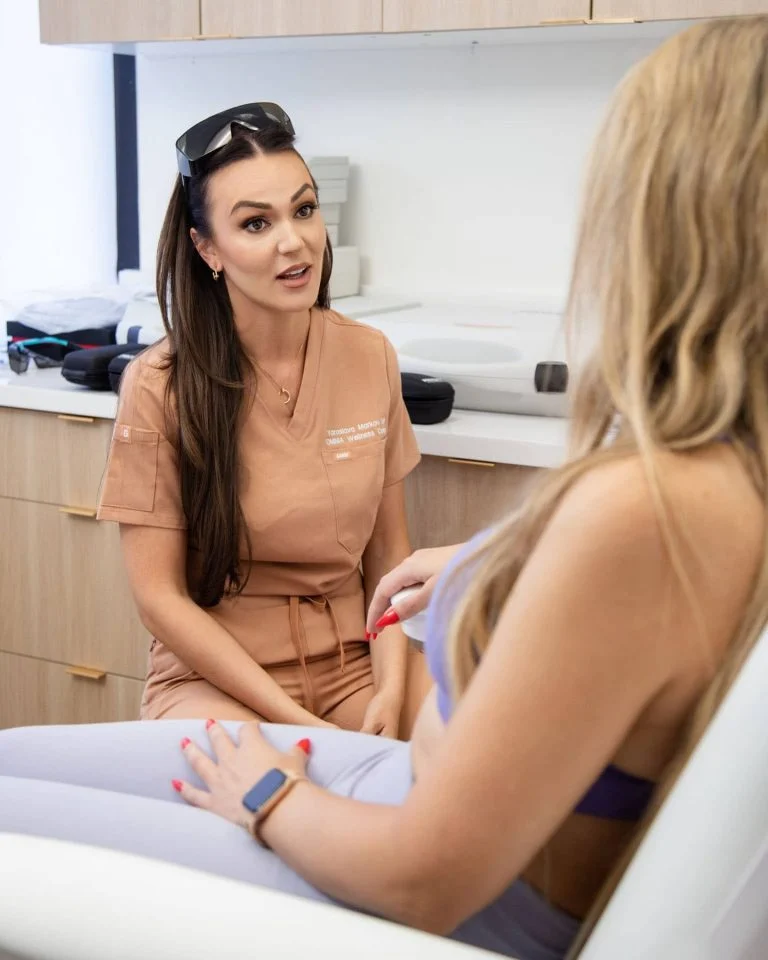
- Protective eyewear is placed, the settings are confirmed, and the practitioner performs the planned passes or pattern across the target area.
- Cooling, soothing products, or a post-laser barrier ointment are applied, followed by a review of aftercare and expected recovery.
- Follow-up timing is set before the patient leaves, especially if multiple sessions are part of the plan.
That sequence sounds straightforward, but each part has nuance. Reassessment on arrival is especially important. A patient who used a strong exfoliant the night before, spent a day in direct sun, or developed an active pimple cluster around the treatment site may need the session modified or postponed. Good clinics are not casual about that.
Numbing is another area where expectations should be specific. Not all Fotona Laser Treatments require it. Gentle non-ablative sessions may be very tolerable with cooling alone, while fractional resurfacing or more aggressive passes can feel sharp and hot enough that topical anesthetic makes a real difference. Patients often assume numbing means the treatment will be painless. Usually it just means more manageable.
What the treatment feels like
The sensation depends almost entirely on the protocol. There is no single “Fotona feeling.” For mild tightening or collagen stimulation sessions, people often describe quick snaps of heat, a prickling warmth, or brief pulses like a hot elastic band. For resurfacing, especially when ablation is involved, the sensation can be more intense. Even with numbing, many patients describe a pattern of heat building over time rather than a single level of discomfort throughout.
Certain areas are more sensitive. Around the nose, upper lip, eyelids, and bony parts of the forehead, people usually notice the laser more. Practitioners who do this regularly work in a rhythm that helps. They adjust overlap carefully, watch the skin response in real time, and check in without breaking flow unnecessarily. That matters because a smooth treatment pace often improves tolerance.
The smell catches some patients off guard. During ablative or resurfacing modes, there can be a distinct charred odor from vaporized skin tissue. It is normal in that context, and smoke evacuation is typically used. Patients who know to expect that are usually much less alarmed.
Session length varies. A limited-area treatment may take under half an hour. A more comprehensive face treatment, especially with prep time and numbing, can easily take ninety minutes or more from check-in to discharge.
Why settings matter more than brand names
Patients understandably focus on the machine name, but outcomes often depend more on settings and clinical judgment than on the logo on the console. Fluence, pulse duration, spot size, pass count, overlap, endpoint recognition, and treatment density all shape the result. A conservative plan can improve skin with less downtime but may require more sessions. A more aggressive plan may deliver more visible change per visit but carries greater social downtime and a higher risk of side effects.
This trade-off is worth discussing openly. Someone preparing for a wedding in three weeks may choose a lighter protocol with modest gains and quick recovery. Another patient focused on acne scar texture may accept redness, peeling, and a week of looking treated if the expected benefit is greater. There is no universal right answer.
In my experience, the best outcomes usually come from steady, well-spaced treatments rather than a single heroic session. Skin responds to cumulative stimulation. Patients often do better when they view Fotona Laser Treatments as part of a plan instead of a one-time event.
The first few hours afterward
Immediately after treatment, the skin may look pink to intensely red, depending on depth and intensity. Swelling is common, especially around the eyes. A mild sunburn sensation is typical for lighter protocols. More intensive resurfacing can leave the skin feeling hot, tight, and distinctly fragile. Some patients describe it as the stage after a bad beach day, before the peeling starts.
At this point, aftercare is not just a courtesy handout. It influences healing quality. The skin barrier has been challenged, and the goal is to support repair while avoiding irritation and infection. Patients who keep layering on active ingredients because they are eager for results often create problems that were not caused by the laser itself.
The clinic should explain what is normal. Redness, warmth, mild swelling, bronzing, flaking, and a rough sandpapery texture can all be expected in the right context. Worsening pain, pus, extensive blistering, or significant asymmetrical swelling are different and should trigger contact with the clinic.
Recovery is where many expectations drift off course
One reason reviews for laser treatments can seem contradictory is that people are often describing different recovery profiles. Some Fotona Laser Treatments allow a return to work the same day with only minor redness. Others create two to seven days, sometimes longer, of visible healing. Deeper resurfacing can leave residual pinkness for weeks, even after the social downtime has passed.
The peeling phase deserves special mention. Patients often expect peeling to be dramatic, as if the old skin should visibly sheet off. Sometimes it does not. Instead, the skin may feel dry, rough, and finely flaky while still improving underneath. This subtle shedding is common and does not mean the treatment failed.
There is also a delay between healing and results. Tightness from post-treatment swelling can create an early “lifted” look that fades. True collagen remodeling takes longer. Texture, tone, and firmness often improve over weeks to a few months, depending on the protocol. That lag can be frustrating for patients who expect a quick reveal, but it is part of the biology.
Aftercare that genuinely protects the result
Most aftercare instructions are simple, but they are not optional. The skin is temporarily more vulnerable, and irritation at this stage can lead to prolonged redness or uneven pigmentation.
- Keep the area gently moisturized with products approved by the treating clinic, and avoid scrubs, retinoids, strong acids, and fragranced actives until cleared to restart them.
- Use strict sun protection, including broad-spectrum sunscreen and shade, because fresh laser-treated skin is more reactive to ultraviolet exposure.
- Do not pick, rub, or manually remove peeling skin, even if it is tempting.
- Follow cleansing instructions carefully, usually with lukewarm water and a non-irritating cleanser.
- Contact the clinic promptly if pain escalates, crusting becomes severe, or signs of infection appear.
This is one area where patient habits can quietly sabotage a good procedure. I have seen decent laser outcomes spoiled by a return to retinoids too early, workouts that caused excessive heat and rubbing in the first day or two, or unprotected outdoor exposure that led to post-inflammatory darkening. The laser gets the attention, but healing behavior often decides the finish.
How many sessions are usually needed
The honest answer is that it depends on the target. Mild brightening or collagen-stimulating protocols are often planned in a series, commonly three to six sessions spaced several weeks apart. Acne scar work and more advanced texture correction may require fewer sessions if each one is more intensive, but the trade-off is greater downtime. Some patients do a corrective series followed by maintenance once or twice a year.
This is where photos and patience matter. Improvements in pore appearance, early laxity, and fine lines can be subtle after the first treatment and much clearer after the second or third. Deep static lines and etched scars generally improve by degrees, not all at once. Good providers say this plainly.
Costs vary significantly by region, provider expertise, treatment area, and protocol intensity. A small-area session may be hundreds of dollars, while comprehensive resurfacing or specialty protocols can climb much higher. It is worth asking whether the quoted price includes follow-up, post-care products, and photographs, because these details differ from clinic to clinic.
Risks, side effects, and who should be cautious
Fotona Laser Treatments are generally well tolerated when properly selected and performed, but “non-surgical” does not mean risk-free. Temporary redness, swelling, dryness, peeling, acne flares, and sensitivity are common. Less common but important concerns include infection, prolonged erythema, post-inflammatory hyperpigmentation, hypopigmentation, and scarring.
Skin tone deserves careful handling here. Patients with more melanin in the skin are not automatically poor candidates, but they often require conservative parameters, thoughtful priming, strict sun https://spencerygpj606.cavandoragh.org/fotona-laser-treatments-for-smoother-firmer-clearer-skin avoidance, and a provider experienced in treating deeper skin tones. Problems in this group are often less about the platform itself and more about poor settings or poor preparation.
Patients with active infections, open wounds, uncontrolled inflammatory skin disease in the treatment area, or recent intense sun exposure may need to postpone treatment. Those with a history of keloid scarring or certain pigment disorders also need a detailed risk discussion before proceeding.
When Fotona may not be the best first choice
This is an important part of an honest conversation. If the primary issue is significant facial sagging, a laser may improve skin quality but will not replace surgery. If the concern is volume loss in the cheeks or under the eyes, fillers or biostimulatory injectables may be more relevant. If deep acne scars are tethered, subcision often does work that a laser cannot do alone. If melasma is the main concern, aggressive heat-based treatment can sometimes aggravate it rather than help.
That does not reduce the value of Fotona Laser Treatments. It simply places them where they belong, as powerful tools with strengths and limits. Patients tend to be happiest when the laser is part of a well-reasoned plan instead of a one-size-fits-all answer.
Questions worth asking before booking
A brief, direct conversation can reveal a great deal about whether a clinic is a good fit. Ask which Fotona protocol is being recommended for your specific concern. Ask how much downtime is typical, not best-case. Ask how many sessions the provider expects in a realistic range. Ask what complications they watch for in your skin type. Ask whether your photos show improvements they can reasonably target.
A strong provider usually answers in specific terms. Vague promises, especially around dramatic one-session transformation, are a red flag.
What a good result really looks like
The most satisfying outcomes from Fotona Laser Treatments are often the ones that look believable. Skin reflects light better. Pores appear softer. Fine lines sit less harshly. Texture becomes more even. Makeup goes on with less patchiness. People may say you look rested, not “done.” That is often the sweet spot.
For deeper wrinkles, advanced laxity, and substantial scar remodeling, the improvement may still be meaningful without being absolute. A twenty to forty percent change can be very worthwhile in the real world, especially when it improves confidence and daily ease. Patients who understand that range tend to appreciate the progress instead of fixating on what remains.
Fotona has become popular for good reason. It offers a flexible platform that can be tailored with impressive precision. Still, the machine alone does not create the result. The consultation, the settings, the provider’s restraint, the patient’s aftercare, and the willingness to choose the right treatment for the right problem, those are the factors that separate a good experience from a disappointing one.
If you are considering Fotona Laser Treatments, the smartest next step is not chasing the boldest before-and-after you can find online. It is finding a practitioner who can explain exactly what they plan to do to your skin, why they chose it, and what your healing will realistically look like. That level of clarity usually signals the kind of judgment laser medicine requires.
OMNIA Wellness Center
Address: 16430 Ventura Blvd Ste 207, Encino, CA 91436
Phone number: +18183868511
FAQ About Fotona Laser Treatments
What is a Fotona laser good for?
A Fotona Laser system is a versatile, dual-wavelength medical laser used primarily for non-surgical skin tightening, anti-aging rejuvenation, and dermatological treatments.
How much does the Fotona laser cost?
The cost of a Fotona laser depends heavily on whether you are looking to purchase a laser machine for a medical practice or are a patient seeking a laser treatment at a medspa.
Is a Fotona laser worth it?
A Fotona laser treatment is generally worth it if you want non-surgical skin tightening, improved texture, and collagen stimulation with very little downtime.